
 Pasutam A2 Gir Cow Bilona Ghee
From Rs. 1,250.00
Select options






Health Benefits of Honey: Nutrition, Everyday Uses & Precautions
Share
The health benefits of honey are often discussed alongside its long history in traditional kitchens. But which benefits have evidence behind them, and which claims deserve caution? Honey can bring distinctive sweetness to everyday food, and research suggests it may help with some cough symptoms. It is also mostly sugar, so a balanced view matters.
This guide separates everyday food uses from medical claims, explains important precautions and helps you decide how honey fits into your kitchen. It does not establish health benefits for any particular Pasutam product.
Honey Nutrition: Start with the Basics
Honey is made mostly of sugars. It also contains a mix of other naturally occurring substances, including antioxidants and small amounts of vitamins and minerals. The presence of these substances does not make a serving of honey a substitute for a varied diet or a medical treatment.
Its flavour is one reason people choose it. Honey can be sweeter than granulated sugar, so you might prefer a smaller amount in some recipes. However, a teaspoon of honey is not automatically lower in calories or carbohydrates than a teaspoon of sugar. Focus on the amount you use rather than assuming that a natural sweetener can be eaten without limits.
Potential Benefits of Honey: What Does the Evidence Suggest?
It May Help Ease Some Cough Symptoms
Research suggests honey may help lessen coughing in children aged one year and older. Some studies have examined nighttime coughs associated with upper respiratory infections. However, higher-quality studies are still needed, and research has not established that honey is better than other cough medicines for adults.
This is a possible symptom-relief use, not proof that honey cures a cold or treats its cause. Do not use honey as a replacement for prescribed treatment. Seek medical advice for a persistent or concerning cough.
It Contains Antioxidants, but That Is Not a Disease-Prevention Promise
Honey contains antioxidants, which are one reason it attracts research interest. However, this does not establish that an everyday serving prevents disease, guarantees stronger immunity or delivers a specific health outcome. General research about honey also cannot verify the antioxidant content or benefits of an individual jar without product-specific evidence.
Its Flavour Can Make Small Amounts Enjoyable
Honey’s sweetness and distinctive taste can complement breakfast bowls, dressings and homemade recipes. For people who enjoy its flavour, a modest drizzle may be enough. This is a culinary benefit rather than a reason to increase your overall sweetener intake.
Is Honey Better Than Sugar?
Not automatically. Both honey and table sugar affect blood glucose. Mayo Clinic notes that substituting honey for sugar generally offers no advantage in a diabetes eating plan. Honey’s carbohydrates still need to be counted.
If you are managing diabetes or following personalised dietary advice, discuss sweetener choices with your healthcare professional. Choose honey for its taste, not because you expect it to be sugar-free or suitable for unlimited use.
Simple Ways to Use Honey in Everyday Food
- Drizzle a small amount over oats, yoghurt or fresh fruit.
- Mix it into a homemade dressing with lemon juice and your preferred seasonings.
- Use it in recipes where you enjoy its distinctive sweetness, adjusting the quantity to taste.
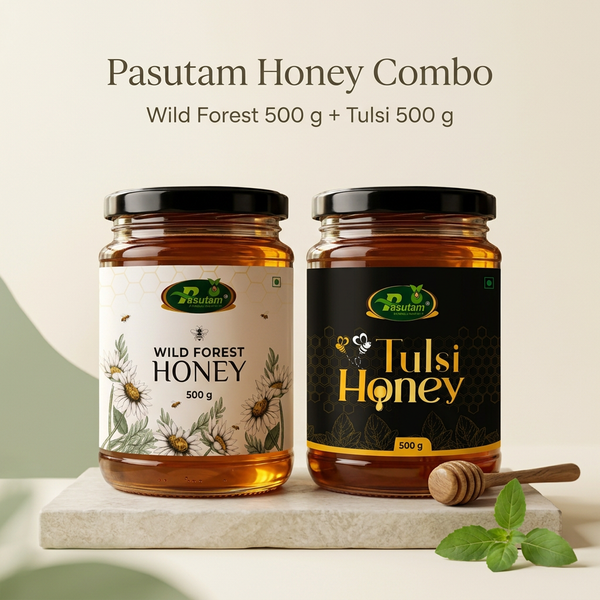
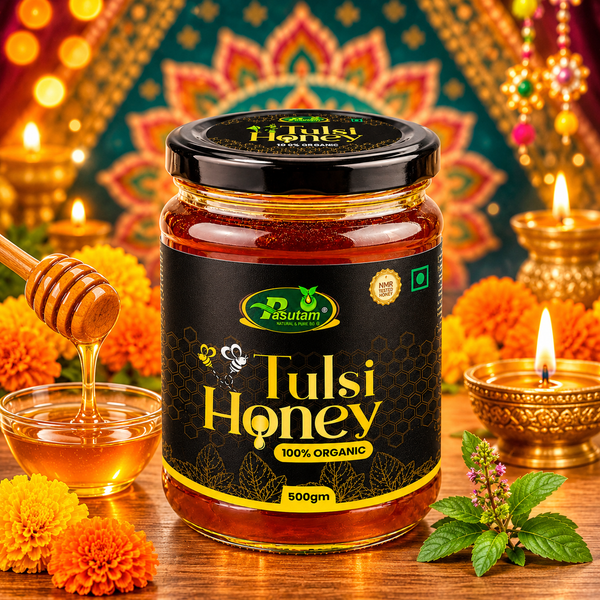
To explore different options, browse the Pasutam Honey collection. You can also review Tulsi Honey and Wild Forest Honey for current product information and pack sizes. These links are for food products, not medical treatments.
Important Honey Safety Precautions
Never Give Honey to Infants Under 12 Months
The CDC advises against giving honey to children younger than 12 months because it can cause infant botulism. Do not add it to an infant’s food, water, formula or pacifier. This warning is important regardless of the honey variety or marketing description.
Do Not Use Kitchen Honey for Wound or Eye Treatment
Research about medical-grade honey does not mean the honey in your pantry should be applied to a wound or used in the eyes. Medical products are different from food honey. Leave wound care and eye treatment to qualified healthcare professionals.
Keep Health Claims in Perspective
Do not assume honey cures diabetes, guarantees weight loss or prevents infections. Evidence about one use cannot be extended to every advertised benefit, and no such outcome is promised for Pasutam honey. Read product information carefully and use honey as a food within your overall eating pattern.
Frequently Asked Questions
Can I Eat Honey Every Day?
Whether it fits your daily routine depends on your overall diet and any medical advice you follow. Honey remains a source of sugar, so keep portions modest rather than treating it as a daily health requirement.
Does Honey Help a Cough?
It may help some cough symptoms, particularly in children aged one year and older, but evidence has limits. Never give it to infants under 12 months, and do not substitute it for appropriate medical care.
Is Honey Safe for People with Diabetes?
Honey affects blood sugar and is not a free substitute for table sugar. Account for its carbohydrates and follow your individual diabetes management advice.
Does This Research Prove the Benefits of Pasutam Honey?
No. This article summarises general information about honey. It does not establish a therapeutic effect or a tested nutrient level for a specific Pasutam product.
The Bottom Line
Honey can be an enjoyable kitchen ingredient, and there is evidence for limited uses such as relief of some cough symptoms. Its sugar content and safety precautions are equally important. Choose it for its flavour, use it thoughtfully and treat broad health promises with caution.
This article provides general educational information, not individual medical advice. Consult a qualified healthcare professional for questions about symptoms, treatment or a medical condition.